Discuss anything about animation, art and drawing.
ANIMATION
Umm I am interested in Character designing, Flipbook animation and Story boarding.
Character designing:
In this traditional animation process, different model sheets are produced for each animation element including the main characters, props, and backgrounds. Each model sheet contains the final design of a character including all the poses it’s likely to execute throughout the animation.
Originally developed by Walt Disney, a storyboard is a graphic visualization of the actions and events that will occur throughout the animation.
With a storyboard ready, directors, editors, actors, and animators will be able to access the scripts and make the necessary enhancements at every stage.
Flipbook animation
This is one of the oldest and easiest animation methods that have long been used to create 2d animation.The technique involves drawing multiple images on pages with a slight difference in them.
Story boarding
Originally developed by Walt Disney, a storyboard is a graphic visualization of the actions and events that will occur throughout the animation.With a storyboard ready, directors, editors, actors, and animators will be able to access the scripts and make the necessary enhancements at every stage.
Now i want to learn Inverse kinematics, its a 3D technique. So guys just tell me good websites or tutorial for this. Thanks in Advance.
What is an animated video?
Animated videos are those that have been developed utilising unique designs, graphics, sketches, or computer-generated effects and have been given a dynamic motion employing a variety of artistic techniques. They don’t need any live action recording in order to communicate a message or tell a tale, however they may incorporate it.
There are some common types which are used in video animation:
- Whiteboard animations
- Motion graphics
- Stop-motion animation (a la “Claymation”)
- Kinetic typography
- Cartoons
- 2D animation
- 3D animation
- CGI
- Flipbook or stick-figure animation
There are some common and best tools for photo and video animation creation 
- Doratoon
- Animaker.
- Blender.
- K-3D.
- OpenToonz.
- Pencil2D Animation.
- Plastic Animation Paper.
- Powtoon.
- Stykz.
Take a look into this i hope this will help you to gain more knowledge.
Thanks for the awesome information about animation studio
and other knowledgeable things. I am looking forward to work with the some softwares that you have mentioned.
Which is harder, 3D animation or 2D animation?
Regarding animation, the ultimate showdown is clear: Which is tougher, 3D or 2D? Each has its own set of challenges, but let’s dive into what makes each one truly epic.
3D Animation: Complex, technical, and high-tech. 3D requires lifelike models, mastering depth and space, and using powerful tools to simulate everything from movement to light rendering. The rendering process alone can be a beast, requiring top-notch software and machines. It is much more technical but yields outstanding, almost photo-realistic results.
2D Animation: Don’t be fooled by the simplicity 2D animation is an art form that requires meticulous attention to detail. Every frame counts. While it might not involve complex modelling, it requires the specialized skills of a master hand drawer and adherence to fundamental motion principles. The challenge? Crafting smooth, expressive animations, frame by frame, can take a lot of time and labour.
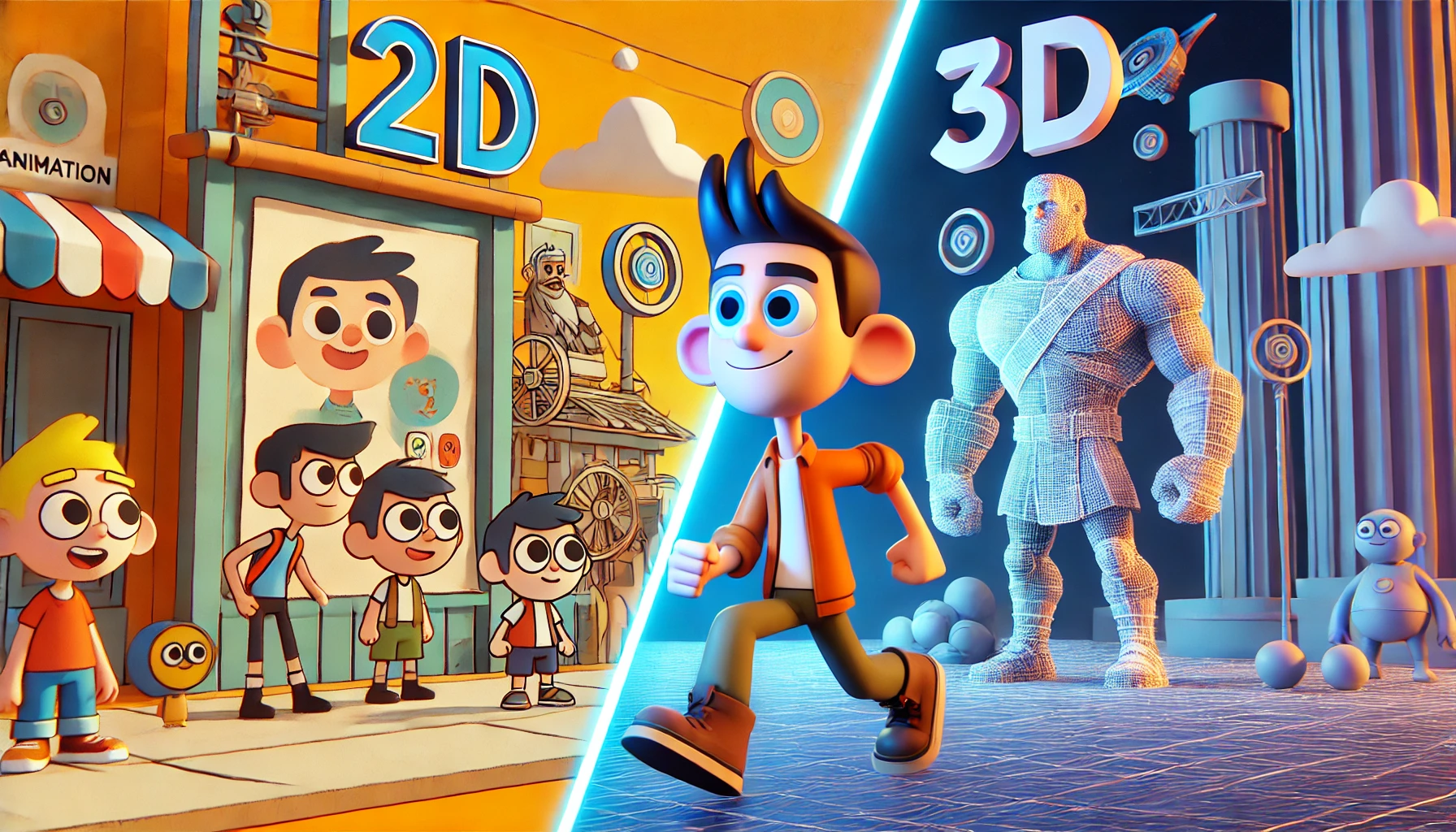
Ultimately, 3D may be perceived as more complex due to its technical demands, while 2D offers a unique challenge in artistry and craftsmanship. Both styles require significant skill, time, and dedication, and many animation studios, like Cloud Animations, understand the balance needed to bring both to life.
Is it possible to make an animation which looks like 2D but is actually built upon a 3D model?
Yes, you can totally create an animation that looks like it’s 2D but is secretly built on a 3D model. It’s like the animation version of a “fake it 'til you make it” approach. This crafty trick, often called 2.5D, lets you use 3D models but dress them up in 2D’s flat, charming attire. Think of it as a high-tech disguise: the 3D model struts its stuff in 2D clothes, fooling the eye with clever camera angles, lighting, and shading. It’s a way to keep things looking retro without actually breaking out the pencil and paper. So, in short, it’s a cheeky little hack that lets you enjoy the best of both worlds without anyone knowing you took the easy route.
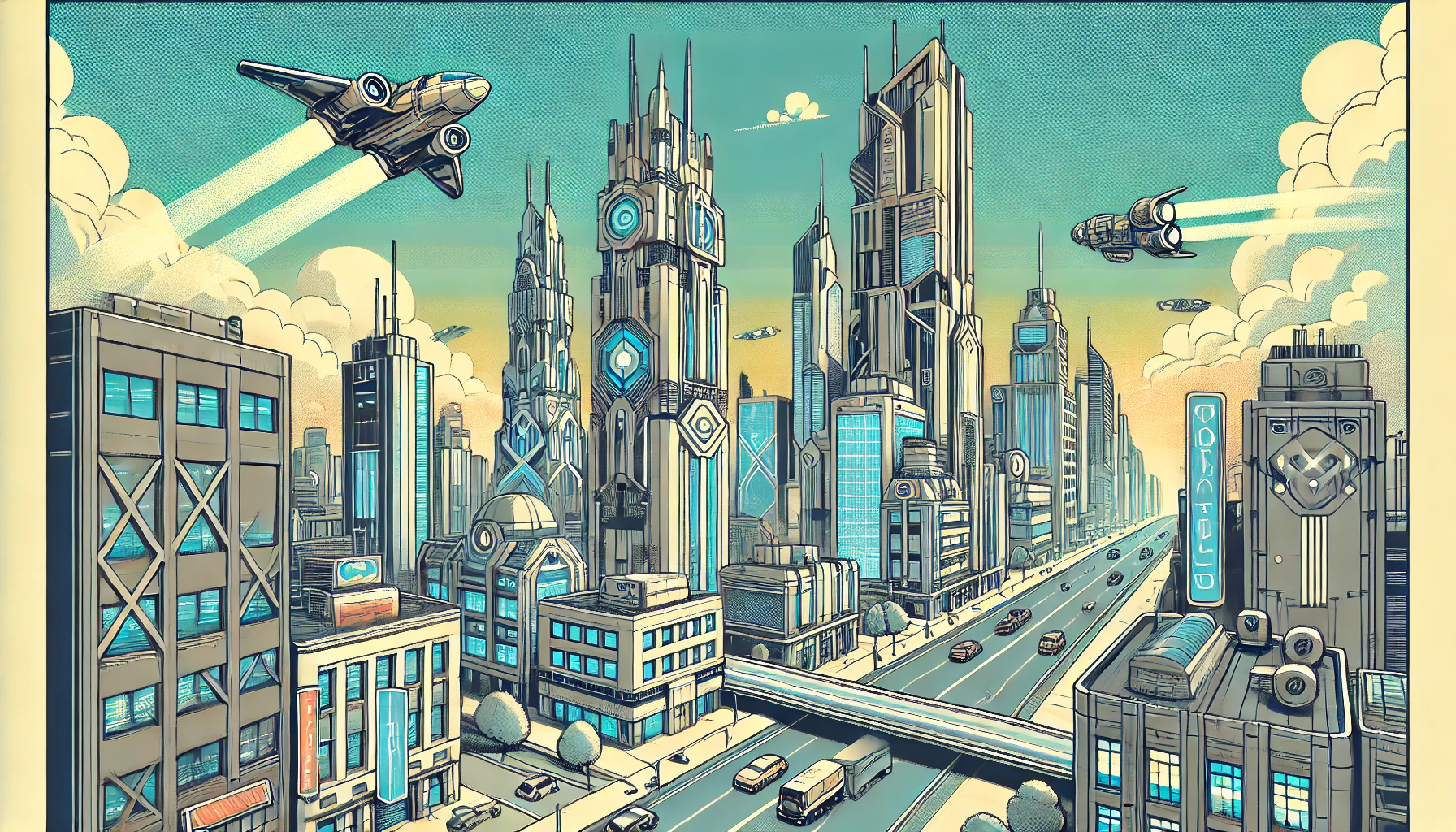
If you’re curious about how it works, studios like Cloud Animations have been known to pull off this illusion quite effectively though you didn’t hear it from me.